

The entire construction sector is evolving rapidly, largely due to the integration of sophisticated digital technologies. Building Information Modeling, or BIM, is one of the most significant transformations we have experienced in the recent past. This adoption is not only about the use of 3D models, but also about improving the efficiency, collaboration, and accuracy of construction throughout the building lifecycle.
HVAC engineers are the most vital professionals directly engaged in BIM workflows, as they make sure that mechanical systems are well aligned with project objectives. Collaboration with other BIM experts can enable them to provide a well-coordinated building result even at the first stages of design.
Today, in our post, we will explore the critical role of HVAC engineers and their important contribution to successful building projects.

Building Information Modeling, also known as BIM, is a technology that involves the design and management of digital representations of a building's physical and functional features. It is completely opposite to 2D drafting because BIM provides:
● Intelligent 3D modeling
● Real-time collaboration
● Accurate project visualization
● Data-driven decision-making
● Improved lifecycle management
The large-scale adoption of BIM is evident across architectural, structural, and MEP (Mechanical, Electrical, Plumbing) engineering. Here, HVAC is a major element. These underscore various benefits of BIM for engineers, particularly in complex building systems that require the utmost collaboration and accuracy in management.
HVAC engineers are mechanical experts who design indoor climate control systems using computerized models of structures. In all BIM processes, they promote efficiency, comfort, and coordination with other construction disciplines, which allows smooth project implementation.
Their primary responsibilities include:
● Heating and cooling system design
● Ventilation planning
● Energy efficiency optimization
● Indoor comfort and safety compliance
HVAC engineers integrate with BIM services to ensure systems align perfectly with structural and architectural designs and meet project standards.
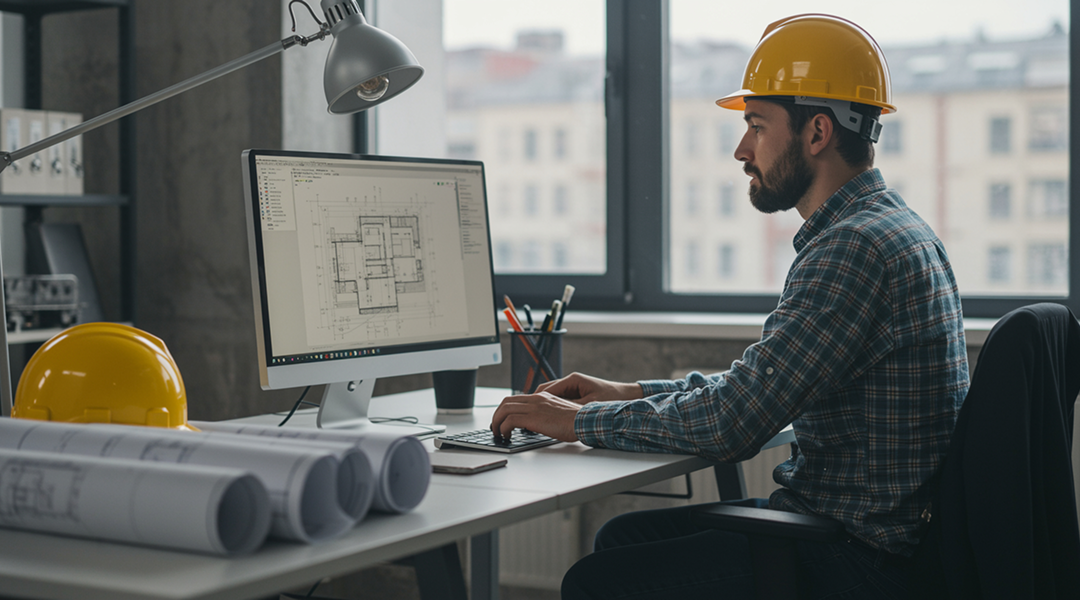
HVAC engineers offer more than designing a perfect system across BIM environments. Their expertise enables better coordination and efficiency across the project lifecycle.
HVAC engineers can use BIM to craft highly detailed digital structural models of mechanical systems that align with actual construction needs. Projects that involve renovations or existing structures can use professional Scan-to-BIM services to capture flawless site conditions before BIM modeling commences.
The key modeling responsibilities generally include:
● Routing plans of duct systems
● Precision layouts of equipment placement
● Pipe network modeling
● System component detailing
Specialized BIM services ensure modeling precision, improve coordination, and assist project teams in making digital designs seamless and constructible on-site mechanical systems. This helps HVAC engineers by reducing design flaws and providing resilient foundations for efficient installations.
HVAC engineers will work with structural teams, MEP, and architects across BIM projects. With their value addition, HVAC systems integrate smoothly without undermining the structural integrity of the building models. Quality BIM coordination services help keep all construction teams on track, minimize the risk of miscommunication, and facilitate the smooth implementation of the project.
The collaborative benefits of BIM workflows are:
● Shared design alignment
● Faster decision-making
● Improved interdisciplinary communication
● Reduced coordination gaps
Strong coordination among HVAC engineers, supported by professional BIM services, ensures that mechanical systems are seamlessly aligned throughout the entire design. It prevents project delays, supporting successful project delivery across multiple disciplines.
One of the primary perks is HVAC engineers' ability to identify clashes before actual construction begins. They play a vital part in detecting conflicts across pipes, ducts, electrical layouts, and beams, preventing expensive onsite issues. The value of early-stage BIM coordination is evident here since identifying conflicts sooner can help teams avoid costly rework during construction.
Generally, clash resolution involves:
● Duct-beam conflict checks
● Pipe-routing corrections
● Equipment clearance reviews
● System overlap prevention
When using professional BIM services, clash detection becomes more efficient for HVAC engineers. This helps to reduce rework, enhance construction efficiency, and ensure a seamless mechanical system installation across complex building environments.

HVAC engineers use BIM tools to improve a building's sustainability through extensive performance analysis. They design efficient systems that are cost-efficient, comfortable, and compliant with the modern green building standards.
Efficiency-targeting tasks include:
● Thermal load calculations
● Airflow performance modeling
● Energy consumption forecasting
● Sustainable system planning
Properly optimized HVAC systems are cheaper to operate, more comfortable for occupants, and incorporate green building designs that meet future-proof performance demands.
HVAC models centered on the BIM are beneficial as they provide detailed fabrication-ready drawings. HVAC engineers ensure systems are designed for constructability, enabling prefabrication and fast installation. This shows the importance of BIM for design-build contractors that use coordinated models to simplify field construction and fabrication.
Fabrication support includes:
● Shop drawing accuracy
● Prefabrication coordination
● Installation sequencing guidance
● Material waste reduction
This increases construction productivity, ensuring that all HVAC components are correctly incorporated when fabricated under the supervision of professional BIM experts. The digital models should be well coordinated to reduce labor time, prevent disruptions, and simplify installation processes during construction.
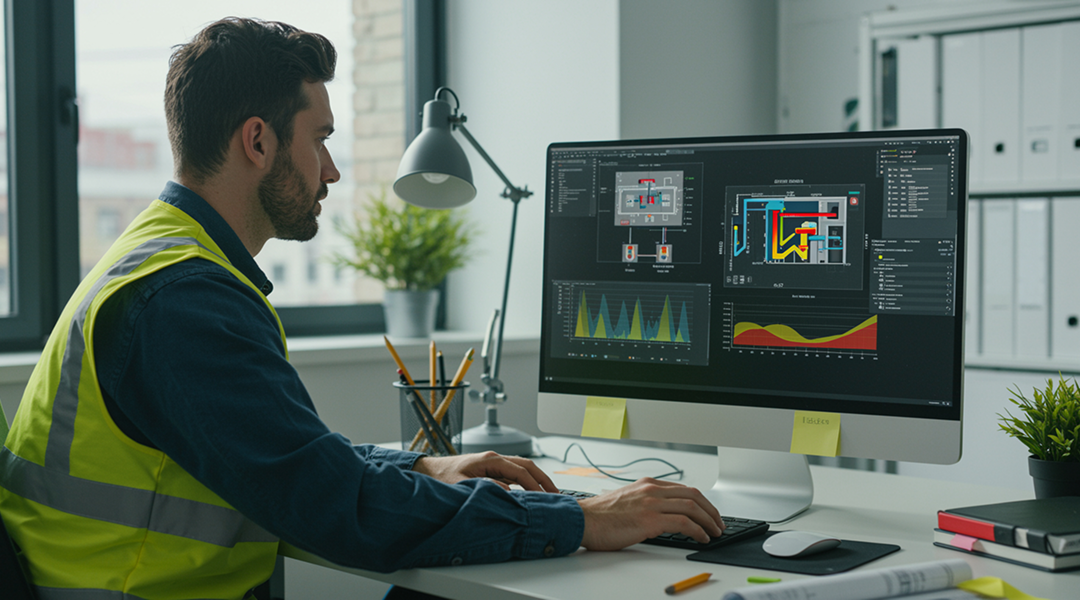
HVAC engineers further support building operations post-construction. They embed valuable system data into BIM models, helping facility managers schedule maintenance, monitor equipment, and prolong the system's lifespan.
The key lifecycle contributions include:
● Equipment specification data
● Maintenance scheduling support
● Asset performance tracking
● Replacement planning insights
By leveraging flawless HVAC BIM data from BIM experts, building owners will achieve sustainable operational value. This keeps the mechanical systems maintainable, efficient, and affordable throughout the construction lifecycle.
The future of construction building design is digital, collaborative, and driven by smart BIM workflows. At Modelo Tech Studio, we remain committed to assisting clients in moving ahead confidently through HVAC-BIM support and vast industry expertise.
Our team works in a coordinated way with project disciplines to offer reliable outcomes and smart building solutions. Contact us today and allow us to add a fresh new life to your upcoming project with our BIM excellence!

Curious to dive deeper into BIM practices? Check out our related blog posts for more insights and strategies to elevate your projects!


.png)
We appreciate your interest in our services. To provide you with an accurate and comprehensive quote, we will need some general information about your project. This will help us understand your specific needs and tailor our proposal to meet your requirements effectively.
.png)

