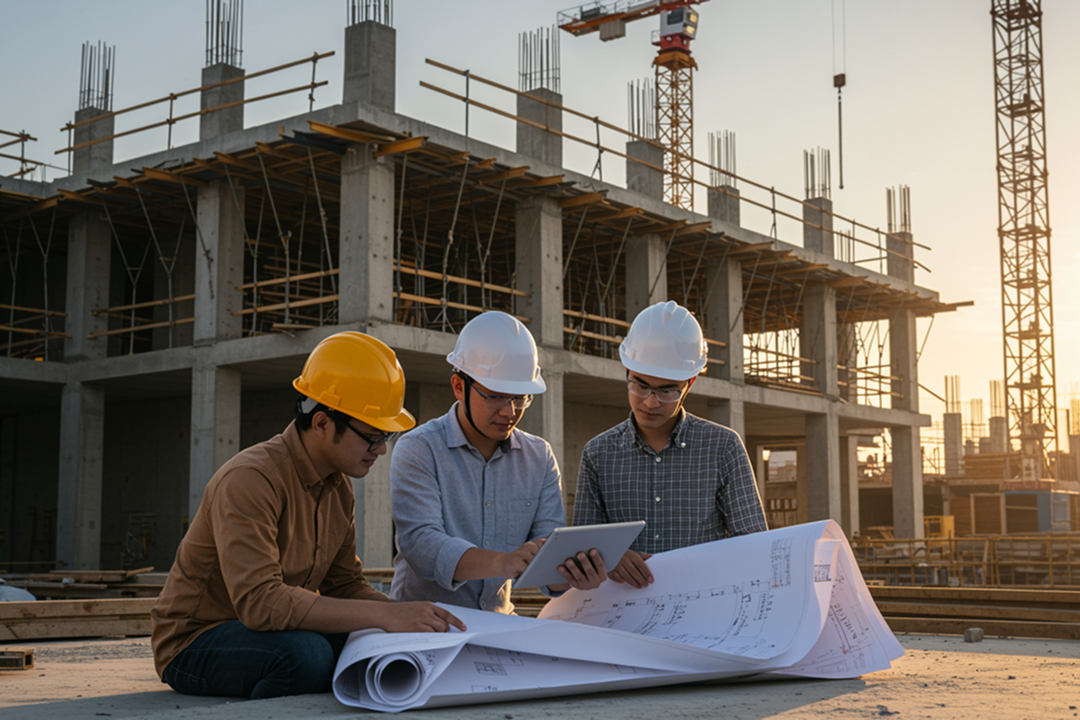
Construction projects today are getting redefined through the design-build delivery model. It determines how the projects are planned and executed, imposing greater responsibility on contractors to manage design, cost, and schedule under a single contract. While projects are becoming challenging and timelines are compressed, traditional models fail to support this amount of integration.
To meet the growing owner expectations and reduce risks, design-build contractors are becoming more inclined towards the digital processes that enhance coordination, control, and visibility. This, in turn, makes BIM in construction projects a critical feature instead of an optional tool.
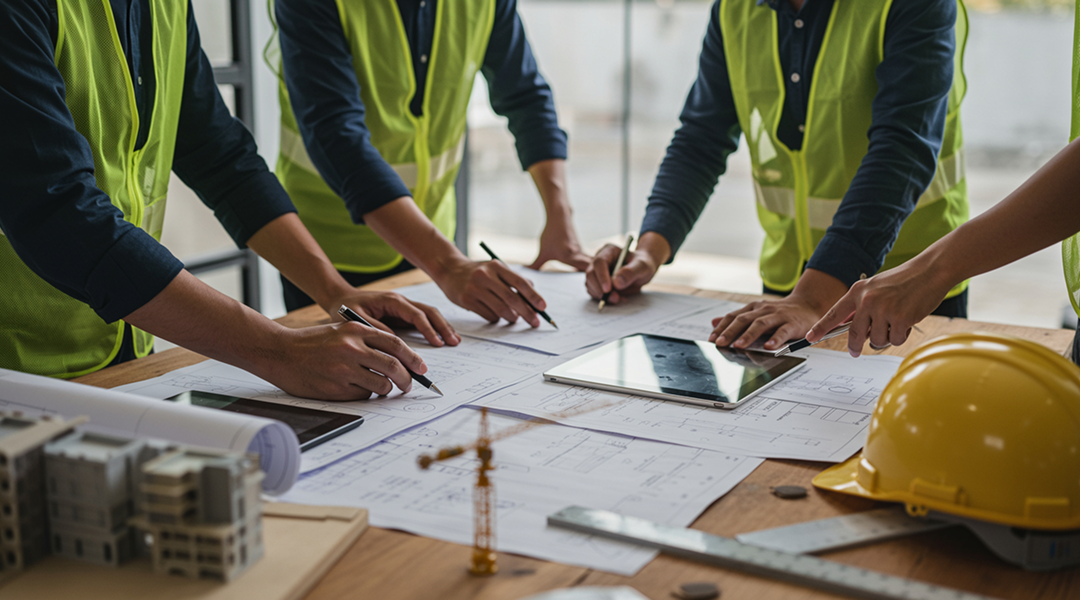
Building Information Modeling (BIM) is the digital process to create and manage smart, data-rich models throughout the construction lifecycle. BIM turns into a shared source of data models where architects, engineers, and builders collaborate in real-time.
Across the design-build environment, BIM supports this integration through:
● Centralized project data helps disciplines access updated details at every construction stage.
● Professional BIM coordination services that allow real-time coordination between construction and design teams.
● Improving design constructability by allowing contractors to influence design decisions early using accurate models.
BIM fits perfectly with the integrated nature of design-build delivery, unlike the traditional design-bid-build workflows. It allows simultaneous design development and construction planning that removes isolated processes. Furthermore, it ensures every stakeholder depends on coordinated and updated information managed effectively by BIM experts.
Efficiency is the core cornerstone of successful design-build projects where speed, coordination, and accountability should work in the same tune. BIM improves this efficiency by connecting people, processes, and data into a unified digital workflow supporting better decision-making right from concept to completion.
Effective collaboration is the core behind design-build delivery, where both designers and contractors operate as a single entity. BIM is important for project collaboration, as it allows to create a shared digital environment, helping all disciplines coordinate effortlessly and work to achieve the common project goals.
BIM supports:
● Architects, engineers, and contractors work within a single model
● Design changes are instantly visible to all stakeholders
● Communication gaps between design and construction teams are minimized
The shared environment creates clarity, eliminates misunderstandings, and supports rapid, well-informed decision-making throughout the project.
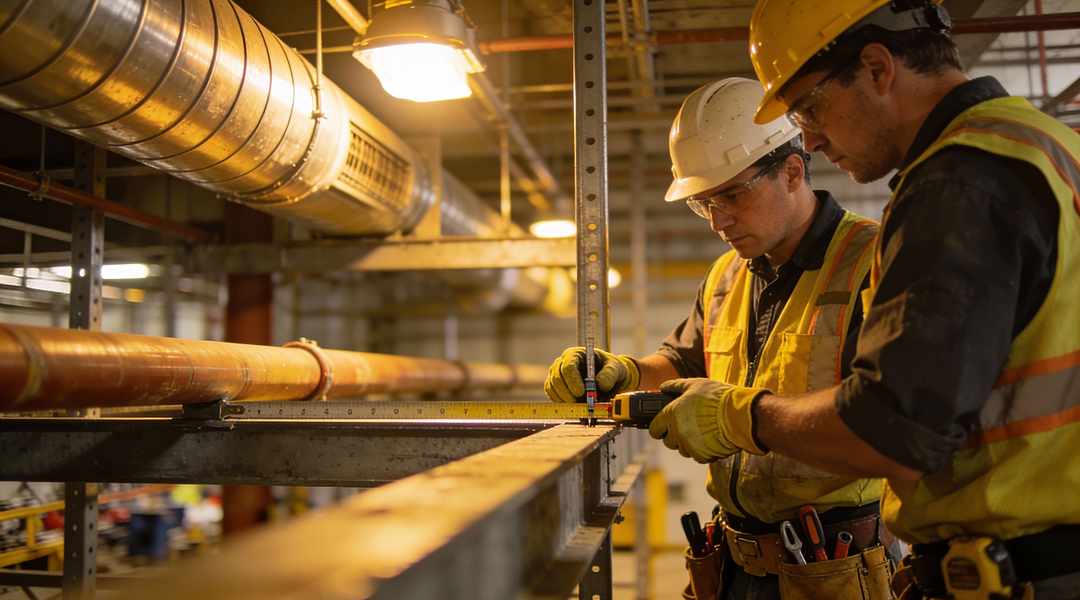
Design-build contractors carry the responsibility of both design and construction. This makes early risk detection important. BIM improves this process through combined coordinated models with accurate existing-data conditions often generated through Scan to BIM services. This helps to identify potential conflicts before actual construction. BIM helps contractors to detect clashes between structural, mechanical, electrical, and plumbing systems sooner by:
● Preventing costly rework during construction
● Reducing change orders and delays
● Improving constructability during the design phase
It is the proactive approach that eliminates the risk, besides safeguarding the project schedules and budgets.
Cost certainty is the main promise behind design-build models. BIM strengthens this advantage when supported by clear planning frameworks. BIM execution plan (BEP) is extremely important since it defines how cost data, quantities, and responsibilities are managed throughout the project lifecycle.
This helps design-build contractors in:
● More accurate quantity takeoffs
● Reliable budget forecasting
● Faster evaluation of design alternatives
When changes happen, BIM helps teams to evaluate the cost impacts, ensuring that financial decisions are in line with project goals.
Speed is a defining advantage of design-build, and BIM accelerates project timelines. Through 4D BIM (time-based modeling), contractors can link construction schedules directly to the model.
Speed is the core decisive factor behind design-build, and BIM speeds up the project timelines. Following 4D or time-based modeling, contractors often link construction schedules directly to the model.
This helps teams to:
● Visualize construction sequencing
● Identify scheduling conflicts early
● Optimize workflows and site logistics
BIM helps design-build contractors to maintain tight schedules by improving planning accuracy and avoiding inefficiencies that generally slow down projects.
BIM improves construction quality by offering accurate, data-driven models guiding onsite execution. Detailed models eliminate errors in drawings and specifications to ensure that teams are building exactly what was initially designed.
Main quality benefits include:
● Greater accuracy in fabrication and installation
● Reduced field errors and omissions
● Better alignment between design intent and construction reality
This helps design-build contractors achieve high-quality outcomes and fewer disputes at the project's closeout.
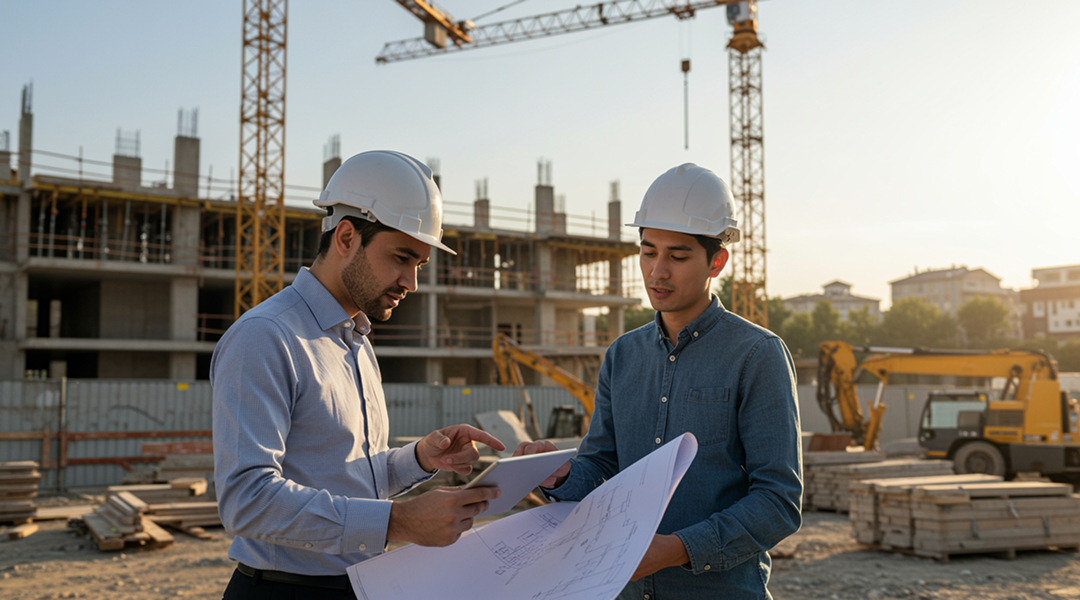
Transparent communication is key to maintaining client trust throughout the design-build process. BIM supports this through the translation of technical details into data-rich, visual insights.
BIM helps clients to:
● Visualize designs before construction begins
● Understand how decisions affect cost and schedule
● Participate more confidently in project discussions
This clarity establishes confidence, reduces uncertainties, and leads to higher client satisfaction.
The growing adoption of BIM across the construction domain is forming a baseline for expectations instead of standing as a differentiator. Design-build contractors who fail to adopt BIM fall behind competitors who are delivering projects faster, cheaper, and with fewer errors.
With BIM, contractors can achieve:
● Higher win rates on complex projects
● Improved operational efficiency
● A stronger reputation for innovation and reliability
Across public and large-scale private projects, BIM has become a requirement, making its adoption the key to future growth.
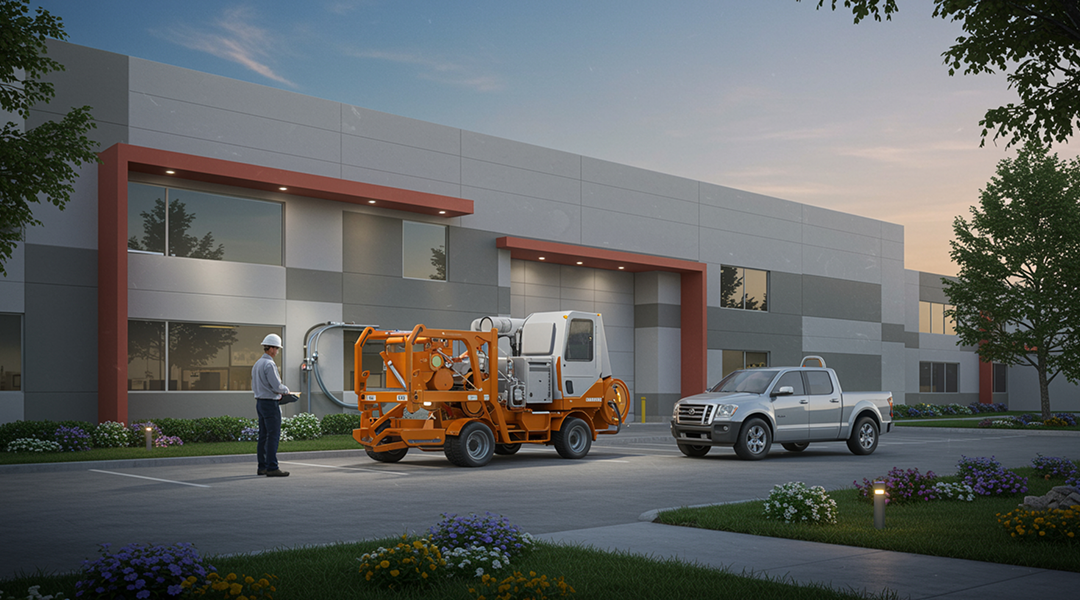
BIM never stalls in delivering value at project completion. The data that gets embedded in the BIM models supports facility management, maintenance planning, and future renovations.
For design-build contractors who offer long-term value, BIM helps in:
● Accurate as-built documentation
● Easier handover to owners and facility managers
● Extended involvement across the building lifecycle
This matches perfectly with the evolving demand for efficient, long-term, and data-driven buildings.
The design-build model is built on accountability, integration, and efficiency through BIM. While project challenges increase, and owner expectations grow, BIM is no longer optional for design-build contractors. It has turned into a strategic necessity to deliver predictable, high-quality outcomes.
At Modelo Tech Studio, we help design-build firms leverage BIM to improve coordination, reduce risk, and gain greater control over cost and schedules throughout the project lifecycle. Contact us today to learn how Modelo Tech Studio can help you unlock the full value of BIM on your next project.

Curious to dive deeper into BIM practices? Check out our related blog posts for more insights and strategies to elevate your projects!


.png)
We appreciate your interest in our services. To provide you with an accurate and comprehensive quote, we will need some general information about your project. This will help us understand your specific needs and tailor our proposal to meet your requirements effectively.
.png)