

Early-stage BIM coordination is no longer a "nice-to-have" concept but a strategic necessity for construction teams. Early planning determines how a project progresses and the number of challenges that arise later. When coordination starts too late, teams face avoidable conflicts, budget strains, and disrupted workflows.
Starting coordination sooner can help design and construction teams to identify issues, confirm what is actually being built, and make better decisions before work starts on site. These are the benefits that shape real project value, achieved only through professional BIM coordination services.
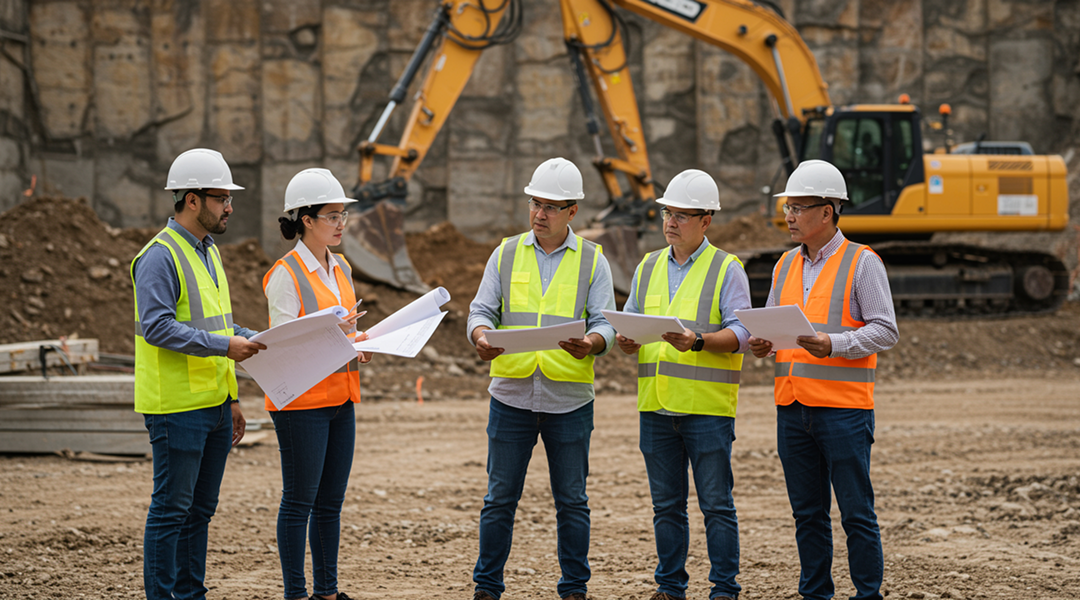
Early-stage BIM coordination is the integration and coordination of architectural, structural, civil, and MEP discipline models during conceptual, schematic, and early design development phases before the actual construction. This stage helps in decision-making, strengthening early collaboration among stakeholders involved in early-stage construction planning.
Unlike late-stage clash detection that reacts to problems, early BIM coordination targets proactively:
● Design intent alignment
● System layout optimization
● Constructability validation
● Risk identification before procurement and fabrication
The objective here is to resolve issues digitally before they turn physical and expensive. Early coordination helps teams visualize systems collaboratively rather than react to conflicts later.
Furthermore, design clarity is enhanced when models communicate intent clearly across disciplines. Construction feasibility is easier to analyze before designs reach final approval. Project teams achieve more confidence in knowing that significant risks have been addressed through coordinated modeling.

The benefits listed below show the way early collaboration establishes a smooth workflow and stronger outcomes across the construction lifecycle.
When design conflicts are left unaddressed during the initial planning phase, they lead to costly changes during construction. Early BIM coordination helps teams identify spatial and system-based issues while maintaining design flexibility. Practical guidance from experienced BIM experts can help address conflicts sooner and reduce rework, delays, or unwanted cost increases.
Early BIM coordination helps teams to:
● Identify spatial conflicts between structure and MEP systems
● Validate clearances for maintenance and operational access
● Resolve system routine issues before finalizing drawings
The Outcome: Less RFIs, fewer change orders, and smooth construction execution.
Lack of coordination between construction disciplines results in duplicated or misaligned efforts. Early BIM coordination creates a shared working space where design and construction teams collaborate from the start. There are different ways in which BIM coordination streamlines projects & reduces costs. It also addresses potential conflicts before they escalate during construction.
Early collaboration allows teams to:
● Challenge assumptions sooner across disciplines
● Make decisions with full system visibility
● Communicate design intent clearly and consistently
The Outcome: Fewer misunderstandings and more substantial alignment across teams.

Considering design intent alone never guarantees buildable solutions. Numerous issues arise when drawings fail to account for installation constraints and site conditions. Early-stage coordination helps to identify common BIM mistakes architects make. It helps to align the design with real construction practices before entering detailed documentation.
Early coordination helps teams to:
● Validate sequencing and installation feasibility
● Assess prefabrication and modularization opportunities
● Optimize system layouts for labor efficiency
The Outcome: Fewer reworks and more predictable construction outcomes.
Lack of coordination in design leads to schedule disruptions once construction starts. Early BIM coordination reduces the risk by aligning design decisions to construction sequencing and planning. Expert guidance from BIM consulting services equips teams to identify schedule constraints sooner. It helps in making necessary adjustments to safeguard project milestones and reduce downstream delays.
Early BIM coordination supports:
● More accurate construction scheduling
● Better trade stacking and phasing plans
● Early identification of critical path risks
The Outcome: Improved schedule reliability and fewer downstream disruptions.
Uncertainties with cost increases when coordination happens later. Projects that depend on isolated BIM implementation fail to connect design decisions with real cost impacts. Early BIM coordination provides a clear model that supports informed cost planning and strategic value engineering decisions.
With coordinated models, teams can:
● Perform early and reliable quantity takeoffs
● Evaluate design alternatives with clear cost implications
● Identify over-designed systems before finalization
The Outcome: Better budget control without compromising performance or quality.
Prefabrication involves accurate coordination before construction starts. Early-stage BIM coordination offers the accuracy required to support off-site fabrication and advanced construction methods. Coordinated models reduce the fabrication risks and improve installation efficiency by aligning design details sooner.
Early BIM coordination supports:
● Fabrication-ready spool drawings
● Accurate tolerances and connection details
● Clear logistics and installation planning
The Outcome: Faster installation, higher quality, and reduced on-site labor.
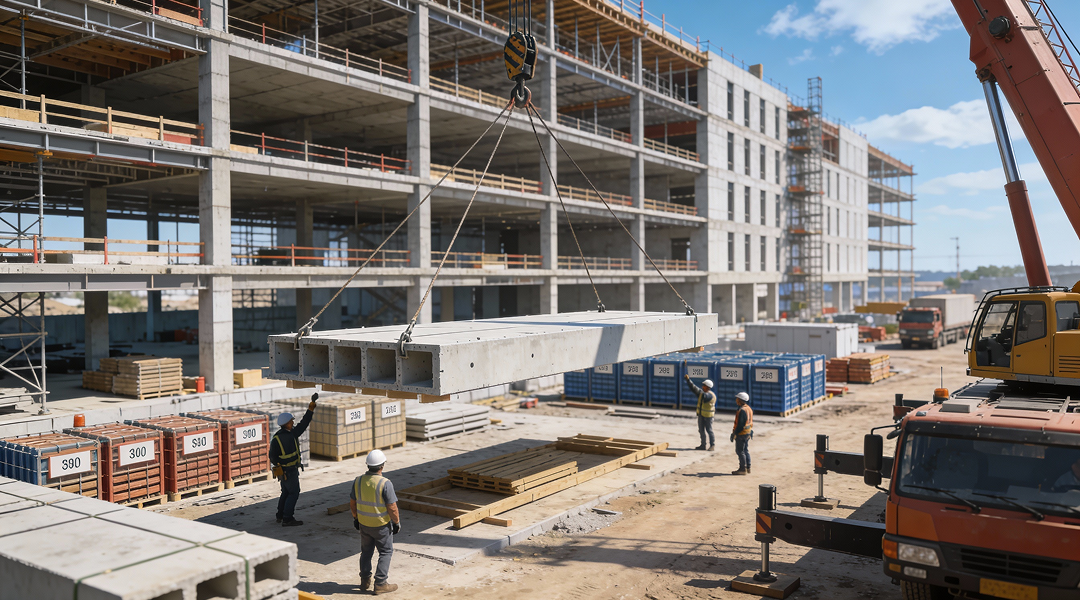
Early BIM coordination success needs more than just software adoption. The practices listed below offer a consistent, effective coordination model.
Model integration should start at the conceptual design phase. Architectural, structural, and MEP models must be aligned before design details are approved. Early integration highlights spatial conflicts, system overlaps, and layout inefficiencies. Teams benefit considerably from addressing coordination challenges while keeping design options transparent and minimizing costs.
Clearly defined roles prevent construction confusion or delays. Responsibility for coordination should be assigned sooner, with defined expectations. A dedicated coordinator offers help with issue tracking, model updates, and consistent communication. The structure enhances accountability, ensuring that coordination efforts are focused and productive throughout the planning stages.
Model standards guide usability and accuracy. Clearly naming conventions, level definitions, and modeling requirements to support reliable coordination. Consistency enhances outcomes in clash detection and improves review efficiency. Teams spend less time rectifying data issues and more time resolving real design and construction challenges.
Coordination involves repetition and discipline. Regular review cycles maintain progress that prevents backlog. Scheduled coordination meetings build accountability and momentum. Issues receive timely resolutions and decisions that match project goals. Predictable review rhythms strengthen collaboration that reduces final moment pressure.
Coordination works wonders when decisions are taken collaboratively. Design changes should involve schedule, cost, and building impacts. Integrated decision-making prevents downstream conflicts. Teams access clarity and confidence when coordination supports wider project objectives instead of isolated design priorities.
The success of a construction is determined by clear planning as well as teamwork. Implementing digital tools and expert guidance keeps the project smooth, decisions are informed, and outcomes meet expectations.
At Modelo Tech Studio, we help teams gain more control and clarity at every stage of execution and planning. So, achieve success in your next project and experience the difference with early coordination. Contact us today to get started!

Curious to dive deeper into BIM practices? Check out our related blog posts for more insights and strategies to elevate your projects!


.png)
We appreciate your interest in our services. To provide you with an accurate and comprehensive quote, we will need some general information about your project. This will help us understand your specific needs and tailor our proposal to meet your requirements effectively.
.png)

