Across the modern construction sector, the need for accurate integration of Mechanical, Electrical, and Plumbing (MEP) systems is high. This critical component forms the integral system behind challenging building spaces. Space limitations, needs for performance, and compliance standards necessitate the importance of coordination among all stakeholders involved.
MEP coordination ensures that every building system works effortlessly without any sort of conflicts. It enhances safety, efficiency, and constructability. Building Information Modeling, or BIM, further enhances this process with the implementation of 3D modeling and real-time collaboration.
Construction firms searching for dependable outcomes are increasingly collaborating with professional BIM services that streamline coordination, reduce risks, and deliver projects within the stipulated timeline with higher accuracy.
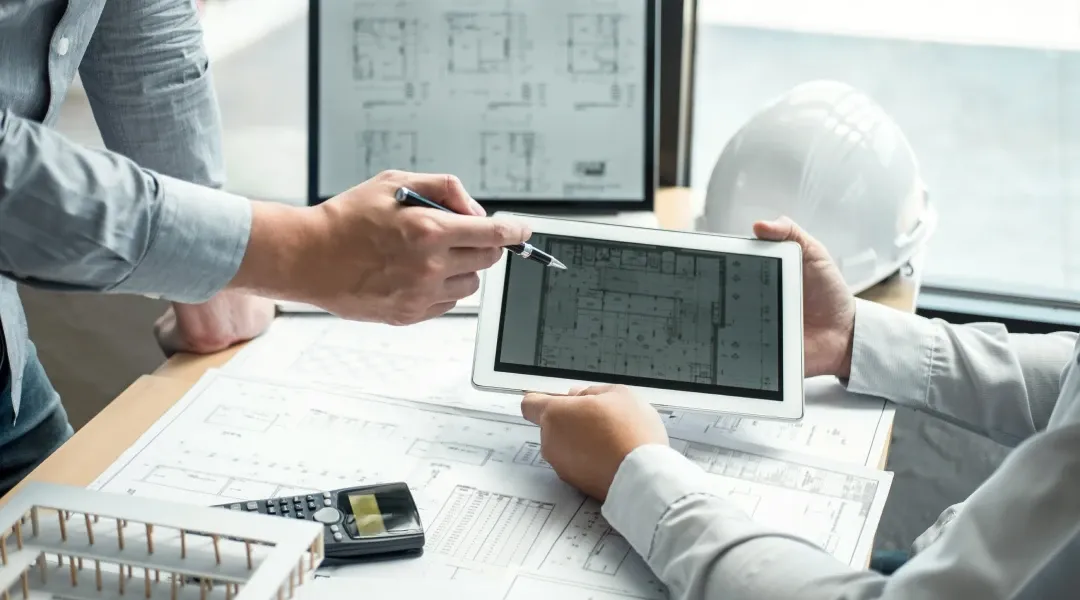
MEP indicates a systematic alignment of mechanical, electrical, and plumbing systems in the design of a building. It prevents design conflicts and facilitates effortless installations.
The fundamental objectives of MEP coordination are:
The conventional workflows typically depend on 2D drawings. This often leads to miscommunication and flaws in building designs. Skilled BIM experts have increasingly transformed the entire process into a highly collaborative and visual workflow.
Generally speaking, BIM is the digital approach towards the design and management of building systems with the help of smart 3D frameworks.
Furthermore, BIM improves MEP coordination with the help of:
Drawing differentiations gets replaced with a unified model approach that enables every stakeholder to effectively collaborate with the help of expert BIM coordination services.

There are numerous perks of integrating MEP Coordinations in BIM design models, extending across different stages.
Accurate 3D modeling supports the eradication of uncertainties. Moreover, this ensures that the MEP systems are aligned flawlessly across every structural and architectural component. Engineers experience more clarity across the construction stages, enabling design intent to stay consistent throughout every discipline involved with the project. This highlights the importance of early-stage BIM coordination. This alignment prevents inconsistencies in design concepts, supporting streamlined downstream execution.
The best steps to integrate this higher accuracy in designs are through:
Minimized design flaws lead to timely project completion as issues are detected at the earlier stages of design. Construction teams have better scope to make informed changes that lead to top-quality outputs and less reliance on rework.
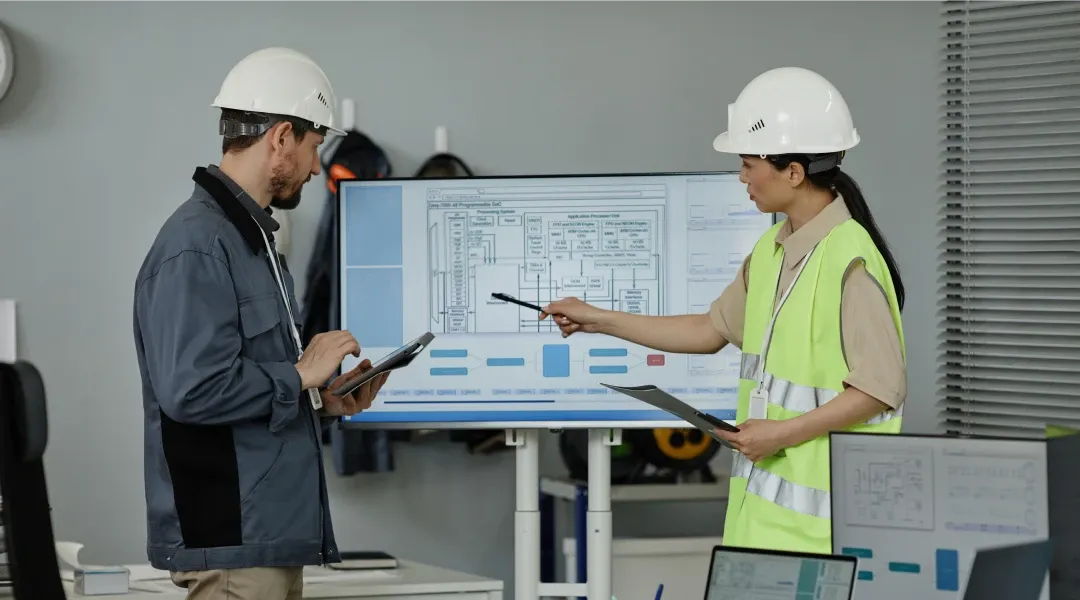
Well-coordinated BIM models help in streamlining workflows through clear and actionable design data across construction teams. They work with elevated confidence due to fewer uncertainties or interruptions.
It is important for teams to keep project deadlines on track, and BIM experts can help with:
On-site conflicts generally cause construction delays as every issue in coordination gets resolved sooner. Project schedules turn highly reliable and keep teams aligned with deadlines without any revisions or unnecessary disruptions.
Accuracy in BIM designs allows improved forecasting of labor, material, and resources. Budget planning further enhances as teams depend on accurate data that remains consistent across the entire construction lifecycle.
Collaborating with professional BIM services implements these key strategies:
This helps construction firms to avoid budget overruns, and every stakeholder has better control over the financial outcomes. It offers enhanced clarity and better project planning.

Shared spaces under BIM lead to a single source of reality across all project stakeholders. Architects, engineers, and contractors (AEC) have access to data consistency, face fewer gaps in communication, and misunderstandings. Furthermore, BIM coordination reduces RFIs and changes orders, which play a critical role here. Coordinated models and clear communication reduce frequent queries or unexpected rework.
Professionals further help in strengthening collaboration with the help of:
Proper collaboration streamlines immediate decision-making and promotes effortless coordination. Construction teams use this to remain aligned across the project, ensuring that alterations are made without any guesswork.
Data-rich BIM models provide valuable insights for building operations and maintenance teams. Facility managers gain access to accurate system information for better long-term planning.
Long-term efficiency improves when teams adopt these practices:
Maintenance activities become more efficient as teams rely on detailed digital records. Building performance improves over time due to informed decision-making supported by reliable and structured data.
MEP coordination through BIM represents a strategic shift toward smarter construction practices, enabling teams to handle complexity with confidence and precision. Projects gain clarity, control, and consistency through intelligent coordination processes.
Organizations aiming to stay competitive increasingly partner with specialists such as Modelo Tech Studio, where advanced BIM expertise supports seamless coordination and high-performance project delivery. Contact us now to transform your project execution!

Curious to dive deeper into BIM practices? Check out our related blog posts for more insights and strategies to elevate your projects!


.png)
We appreciate your interest in our services. To provide you with an accurate and comprehensive quote, we will need some general information about your project. This will help us understand your specific needs and tailor our proposal to meet your requirements effectively.
.png)