

January 21, 2026
|
5 Minutes
Structural challenges have always been one of the most expensive risks across construction projects. Issues like misaligned beams, rebar clashes, and incorrect load paths often surfaced during project execution rather than design. These late findings disrupted schedules, inflated costs, introduced safety risks, and created unwanted pressure across project teams.
The introduction of Building Information Modeling (BIM) changed the entire outlook of construction today. BIM offers more than just digitizing drawings. It creates a smart 3D model that helps the engineers to explore how each structural element behaves before the physical task begins.
An early insight helps engineers to identify weaknesses, resolve conflicts, and validate structural decisions confidently. This proactive approach eliminates uncertainties, leading to safer project delivery with the help of professional BIM services.
Modern design tools offer collaborative modeling that includes geometry and data. The difference between BIM and CAD is evident through the nature of data sharing. CAD represents shapes through drawings, while BIM connects every component with intelligence, relationships, and properties to keep decisions connected across construction disciplines without compromising the value of CAD.
After assessing the differences, it is found that BIM goes several steps further. This is how:
Effective collaboration grows upon the modeling application by teams. Strategic BIM experts guide better coordination, safeguard structural intent, and maintain precision, ensuring that each participant works under the same coordinated model.

Structural design turns unreliable when risks are discovered in a project still in its digital form. Engineers can evaluate, coordinate, and refine solutions before the risks impact time and costs onsite. The following are the benefits that highlight how BIM supports the success of a structural design:
Early discovery of conflicting elements changes the entire project outlook. The benefits of clash detection can prevent costly rework on site, which turns into the core element in digital coordination since structural layouts interact with architecture, services, or site limitations. BIM highlights conflicts before construction materials are ordered, thereby leading to seamless adjustments without any assumptions.
The role of BIM in construction is evident as it helps:
Clash resolution within the virtual model supports schedules and fewer challenges. Construction teams can work confidently because conflicts are addressed during design coordination rather than during active construction.
Structural performance cannot depend on assumptions only; it needs digital analysis. The role of BIM in commercial construction and tenant fit-outs includes performance scenarios and simulating loads. These play an integral part in supporting safer design outcomes for occupancies and requirements across retail, offices, or mixed-used projects.
BIM helps engineers in performing advanced analysis directly within the models. Engineers can thereby:
Analytical simulations highlight the weak points or overstressed elements early. Therefore, structural strategies are enhanced before real construction work starts. Efficiency, safety, and material performance benefits when issues stay visible during design development.
Clear visualization removes all guesswork that may arise at times when teams are interpreting complex drawings. Modern modeling tools offer realistic 3D insight that enhances coordination. Effective Scan-to-BIM services convert existing building conditions into smart models supporting accurate detailing and rehabilitation planning for elements that should integrate with the legacy layouts and constraints.
This helps engineers in:
Clarity eliminates misunderstandings, confirming the design intent across stakeholders, turning onsite execution into a coordinated model without misinterpretation or confusion.
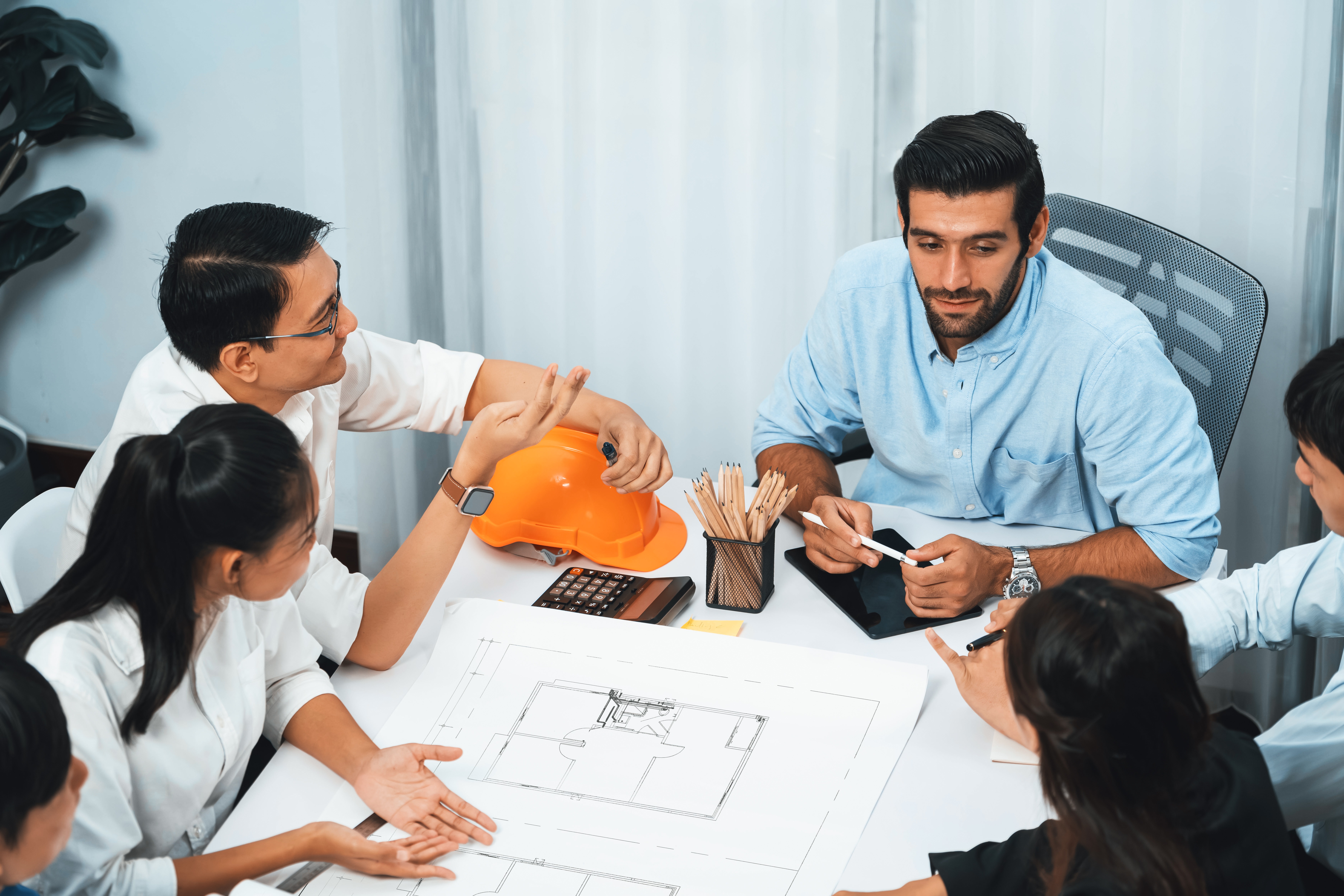
Structural challenges often result from teams that work across different datasets. A shared digital space strengthens BIM Coordination since architects, engineers, suppliers, and contractors can use the interpretations of the same intelligent model. Proper updates bring consistency, helping stakeholders identify requirements and responsibilities that support accountability, communication, and alignment throughout the construction as well as design phase.
The benefits included here are:
This collaborative approach limits errors, threatening structural reliability and creating a predictable project pathway. It keeps decisions aligned across disciplines and documentation that highlights coordinated design intent.
Construction budgets appear like a pressure with late-stage discoveries that force rework and redesigns. Digital workflows shift risk management sooner, reducing risk to finances. BIM for single or multi-family residential projects offers clarity over quantities, constructability, and sequencing, helping developers as well as contractors in forecasting costs, besides balancing performance and value.
BIM proves effective to engineers since it:
Early detection of structural risks keeps budgets and timelines under control. This results in speeding up residential development with fewer surprises and better control over scope, contingency allowances, procurement strategies, and expectations of stakeholders across the construction phase.
The backbone of safe structural design is quality and compliance. Digital models offer structured data that gets assessed against regulatory requirements and project standards. This discovers inconsistencies sooner, helping engineering teams to rectify them before finalization of documentation.
BIM models can be checked against the building codes, standards, and specifications. Through BIM, engineers can verify:
Proactive code checking and extensive documentation control prevent risk of penalties or redesign. Well-managed models build a culture of accountability with traceable qualities throughout the delivery stages.
Digital engineering today has changed the entire outlook of structural design into a proactive discipline where insights arrive way before the actual construction starts. Projects benefit thoroughly through safer structures, transparent coordination, and predictable outcomes where smart modeling guides every decision.
At Modelo Tech Studio, we collaborate with engineers and construction teams into implementing practical BIM strategies that reduce risk and enhance project quality throughout the lifecycle. Contact us today to transform designs into dependable realities.

Curious to dive deeper into BIM practices? Check out our related blog posts for more insights and strategies to elevate your projects!


.png)
We appreciate your interest in our services. To provide you with an accurate and comprehensive quote, we will need some general information about your project. This will help us understand your specific needs and tailor our proposal to meet your requirements effectively.
.png)
