Construction risks do not always lead to failure, because it develops silently over misalignment, lack of all details, and decisions based on incomplete knowledge. Projects depending on disconnected processes are at risk of delays, cost increases, and coordination breakdowns, way before the issues become prevalent on the site.
Building Information Modeling (BIM) operates as a structured approach to managing challenges with design, construction, or operations. Lack of a proper digital framework leaves the team reacting to issues instead of controlling them. This becomes a solid ground for preventable risks to surface when schedules and budgets are under pressure. This necessitates professional guidance from BIM experts who help control risk across the project lifecycle.
BIM helps construction teams to work from a data-rich shared digital model that integrates geometry, quantities, asset information, and schedules of the project. The main BIM benefits are:
These benefits rely on disciplined execution instead of just the technology. Lack of structured coordination exposes projects to avoidable risks that often stay hidden till the construction begins. Here, BIM coordination offers a well-controlled framework that helps to align disciplines, manage data, and reduce uncertainties across the construction project.

Implementing BIM incorrectly costs you time while introducing systemic mistakes that start to compound over time. Today, we are going to share a few common errors visible on non-BIM projects and how the experts can help resolve them.
Disconnected drawings often conceal issues with coordination among disciplines. Conflicts start to arise during construction, costing rework, delays, and a rise in budget, which could be avoided during the initial project stages. This risk highlights the importance of clash detection during initial design stages, where coordination issues can be resolved before reaching the construction site.
BIM experts help in mitigating the risks through coordinated digital workflows, such as:
This BIM-based approach can help in resolving design conflicts, reducing site disruptions, safeguarding schedules, and reducing unwanted construction modifications.
Manual takeoffs struggle to highlight the ongoing design changes flawlessly. Minor discrepancies start accumulating rapidly, leading to unreliable material waste, budgets, and greater financial risk.
The BIM experts can help in reducing risks related to costs using model-based quantity control through:
This approach offers consistent quantities, supports flawless forecasting, and strengthens financial decision-making across the project lifecycle.
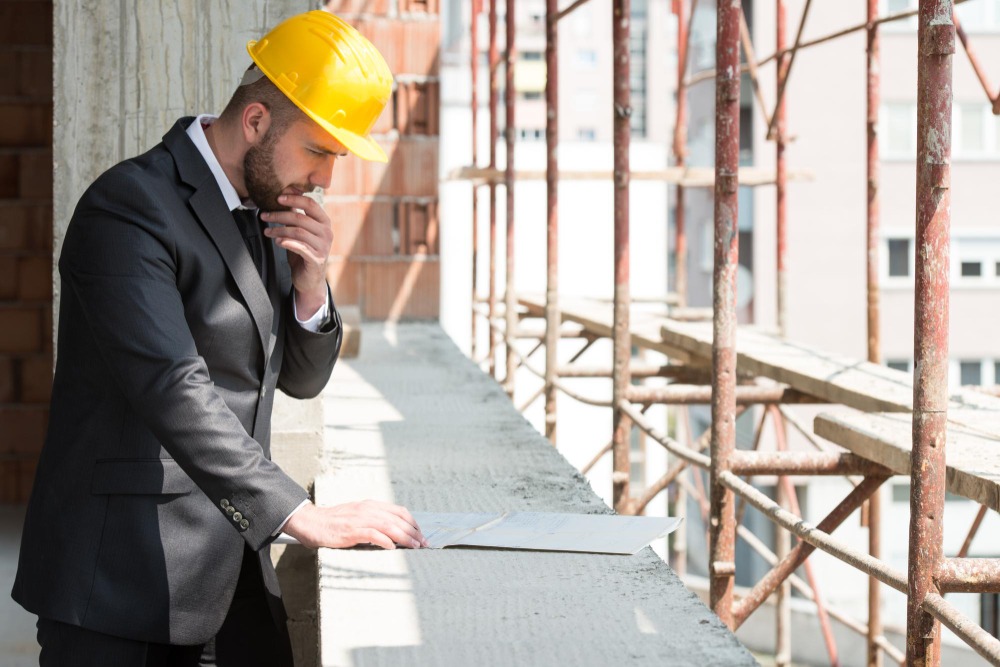
Traditional schedules often fall behind in showing the actual spatial constraints on site. Trade overlap, congestion, and downtime start to increase once the activities start.
Such sequencing challenges highlight the importance of BIM for design-build contractors when design decisions and construction activities progress together. BIM experts help in the management of sequencing risk through time-based models, such as:
This approach allows real-time scheduling, effortless workflows, and fewer delays caused by a lack of planning assumptions.
Different information sources cause teams to make isolated BIM decisions. Errors in BIM Coordination increase as communication starts dropping and information turns consistent.
BIM experts help in mitigating this risk through coordinated digital workflows supported through structured BIM coordination practices, such as:
A collaborative structure enhances clarity, speeds decisions, and reduces coordination risks across the team.
Incomplete or unstructured data often arises when projects closeout frequently. Asset information becomes complex to use during operations and the maintenance phases.
BIM experts can help safeguard long-term asset value with the help of BIM documentation services that offer accurate, usable, and operation-ready project details. This is how it is effective:
BIM-driven handover offers efficient operations, reduces lifecycle costs, and preserves long-term asset value.

Limited visibility during the planning stages limits danger identification. Safety risks remain reactive instead of planned, increasing the exposure during the challenging construction activities.
The BIM experts help in strengthening safety management with the help of model-based risk analysis, like:
This approach promotes proactive safety decisions, minimizes on-site incidents, and enhances overall risk control throughout construction.
Changes in design often proceed without a complete impact analysis. Schedule, cost, and coordination consequences become challenging to manage after every revision increase.
BIM experts help in controlling the change-based risks through integrated model workflows, such as:
This structured change control process limits disruptions, preserves design intent, and maintains project stability as the requirements start evolving.
Challenging construction projects need clarity, discipline, and informed decision-making across every stage. Specialized digital expertise helps the project teams to maintain control as challenges and delivery pressures consistently increase.
At Modelo Tech Studio, we partner with project stakeholders to provide structured, reliable digital support tailored to real-world construction challenges. The focus remains on delivering measurable outcomes that improve coordination, confidence, and long-term project performance. Contact us today to start a focused conversation about your next project!

Curious to dive deeper into BIM practices? Check out our related blog posts for more insights and strategies to elevate your projects!


.png)
We appreciate your interest in our services. To provide you with an accurate and comprehensive quote, we will need some general information about your project. This will help us understand your specific needs and tailor our proposal to meet your requirements effectively.
.png)