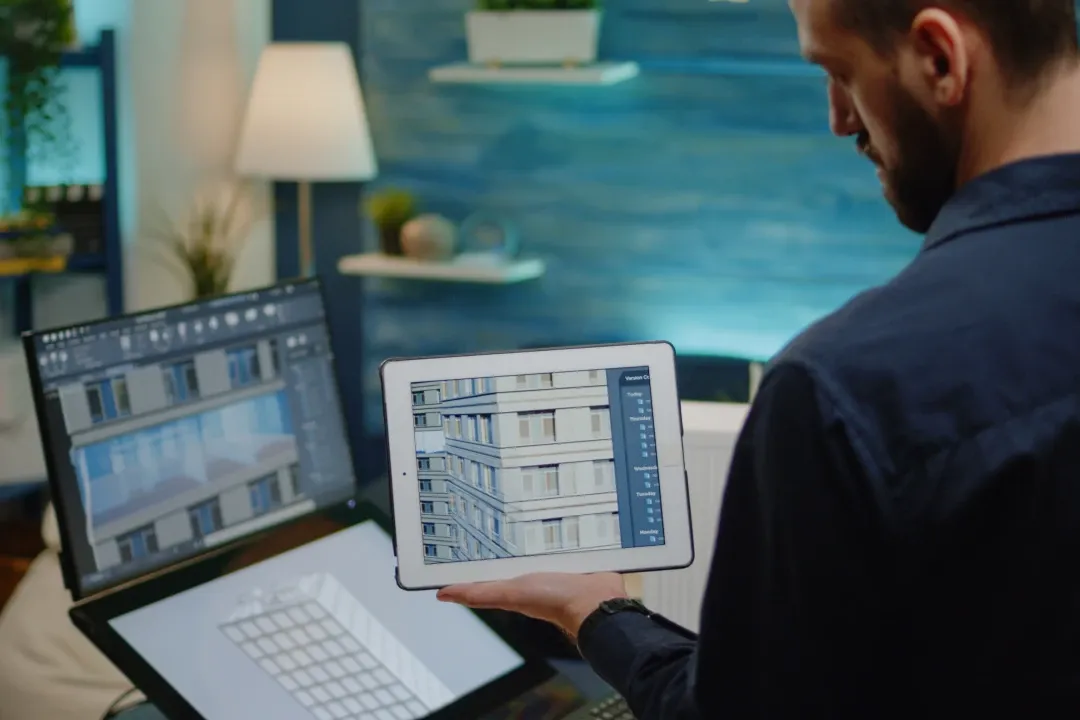
Facility owners are under constant stress in terms of improving their operations, preventing budget overruns, and making better decisions regarding a building’s lifecycle. Digital changes across the design and built environment are no longer an option. Accuracy in building data has turned into a basic requirement across all disciplines involved.
Scan-to-BIM allows conversion of physical spaces into data-rich, accurate models that support adequate planning, maintenance, and long-term optimization of assets. Reliable as-built data removes confusion, building an organized space for enhanced control and coordination.
Facility owners are increasingly adopting this approach for enhanced visibility into their assets, simplified workforce, and a steady alignment with infrastructure performance. In such an intricate scenario, professional Scan-to-BIM services play an integral part to support facility owners in unlocking the core benefits through smart modeling and accurate data capture.
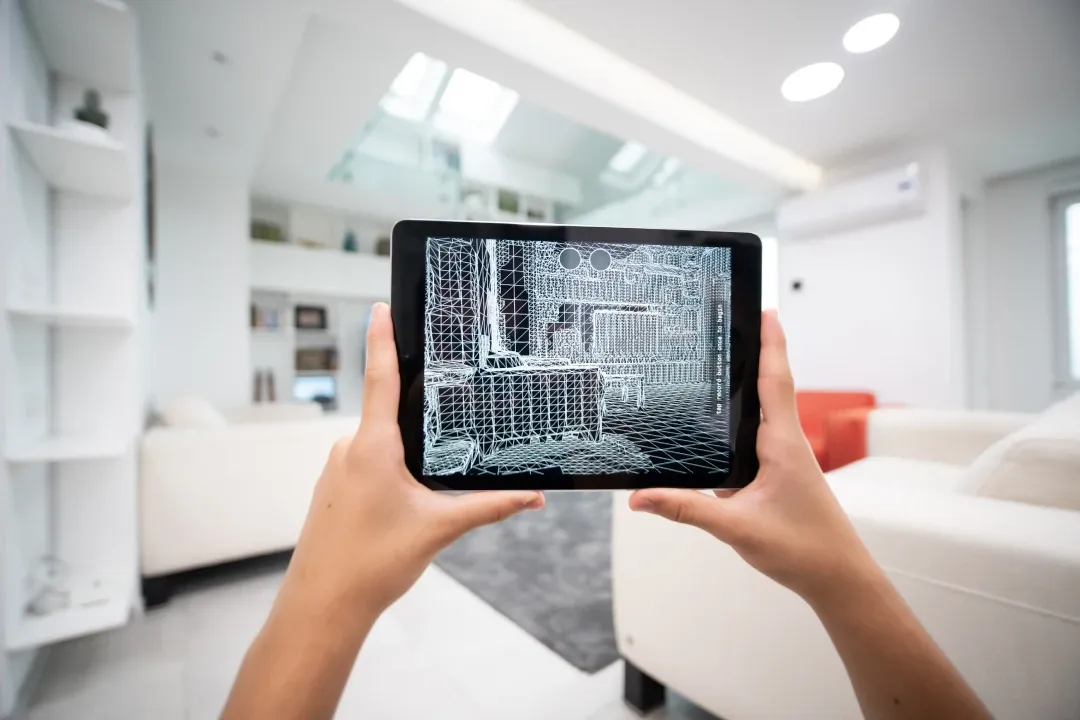
Scan to BIM refers to the process of capturing real-world building conditions using advanced scanning technologies and converting that data into structured digital models. Scan to BIM cost varies depending on project scope, complexity, and required level of detail.
The main deliverables included here are:
BIM experts play the most critical part in ensuring that raw scan data is precisely transformed into accessible models that align with strategic operational goals.
There are numerous components directly impacting the complete costing framework. Each impacts the final scope and the deliverable value through:
Collection of initial site data involving advanced scanning tools, expert technicians, and coordinated efforts. Complexity of projects, their accessibility, and scalability required in this stage are:

Raw scan data involves processing and conversion into BIM models with core defined detailings. Such a stage involves inspection of modeling accuracy and alignment with project requirements through:
Digital workflows rely on software platforms, solutions for data storage, and integrated systems. Technological preferences impacts efficiency of implementation and long-term access with the use of:
Internal departments need frequent training, onboarding, and alignment with processes for using accurate BIM data. Organizational preparedness impacts successful adoption through:
Professional BIM services can help in bridging the missing links in technology, ensure quality data, and maximize ROI by aligning deliverables with real-time operational needs.

An adequate analysis of costs and benefits offers better clarity on the value of Scan-to-BIM across the facility lifecycle through:
Precision-based digital frameworks eliminate mistakes occurring between design intent and real conditions. This enables reliable planning and execution across projects. Furthermore, it prevents unwanted issues from occurring during the phase of actual implementation.
Therefore, this leads to numerous benefits that include:
Flawless modeling, alongside BIM coordination, improves confidence in projects, preventing costly errors. Therefore, it supports streamlined workflows and better outcomes in facility operations.

Core digital models offer a unified glimpse of the building assets. This allows facility teams to perform flawless operational management and respond to upkeep needs with the highest level of accuracy.
Therefore, it leads to numerous logical benefits that include:
Accessing reliable data enhances operational efficiency to support proactive maintenance techniques. Therefore, contractors rely on scan-to-BIM for renovations to achieve optimized performance and avoid downtime.
Extensive as-built data can help remove uncertainties during the projects of renovations and retrofit. This enables teams to plan for interventions accurately and confidently.
As a result, it offers several benefits such as:
As already noted, BIM coordination can reduce RFIs and prevent delays, enhancing overall project efficiency.
Digital models support data-driven decisions supporting long-term asset management. This enhanced project performance, reducing unwanted budget overruns.
This offers numerous perks associated with:
Visibility on the project lifecycle helps facility owners make better decisions to improve the asset’s value and reduce operational costs.
BIM documentation and flawless modeling can reduce operational and compliance-related risks. This enhances project clarity across stakeholders involved with facility management operations.
This offers numerous benefits that include:
An enhanced level of documentation and project visibility prevents uncertainties. This strengthens risk related to management strategies ensuring safer and compliant operations.
Strategic planning and setting clear goals further ensure that Scan-to-BIM is offering scalable outcomes. The main practices included here are:
An organized approach supports rapid adoption and enhanced data accessibility. Furthermore, it creates a steady alignment between tech investments and operational priorities.
The use of technology in facility management is a growing trend, with organizations increasingly focusing on efficiency, precision, and value creation. The strategic decision to invest in smart options helps establish greater control over assets that enables better operational decisions.
At Modelo Tech Studio, we offer customized Scan-to-BIM solutions that align with the needs of facilities and other businesses. Well-organized workflows offer accuracy, usability, and measurable results to each project. Contact us today to adopt data-driven facility management solutions.

Curious to dive deeper into BIM practices? Check out our related blog posts for more insights and strategies to elevate your projects!


.png)
We appreciate your interest in our services. To provide you with an accurate and comprehensive quote, we will need some general information about your project. This will help us understand your specific needs and tailor our proposal to meet your requirements effectively.
.png)