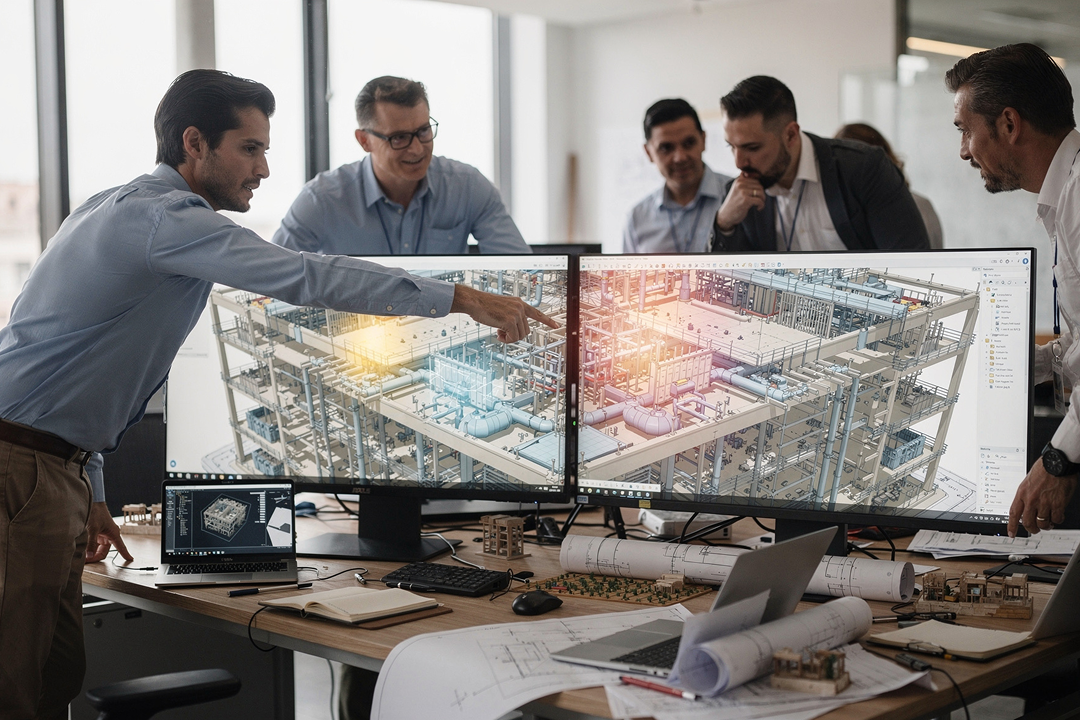
The Architecture, Engineering, and Construction (AEC) sector is changing at a high pace because of increasing demands to optimize workflows, cooperation, and accuracy. As the construction projects are becoming more and more difficult, traditional design and coordination approaches are not keeping up. Nonetheless, the combination of Artificial Intelligence (AI) and Building Information Modeling (BIM) is having a tremendous transformative effect.
Clash detection is one of the most significant areas where the actual transformation is happening. It is a critical approach ensuring that the building systems do not interfere with each other before construction starts.
Although clash detection earlier had been time-consuming, prone to errors, and strongly dependent on human expertise. But all this workflow is undergoing transformation, such that it is faster and very predictive. In turn, many companies are now using BIM services to improve project coordination, reduce risks, and explore the benefits of AI-driven workflows
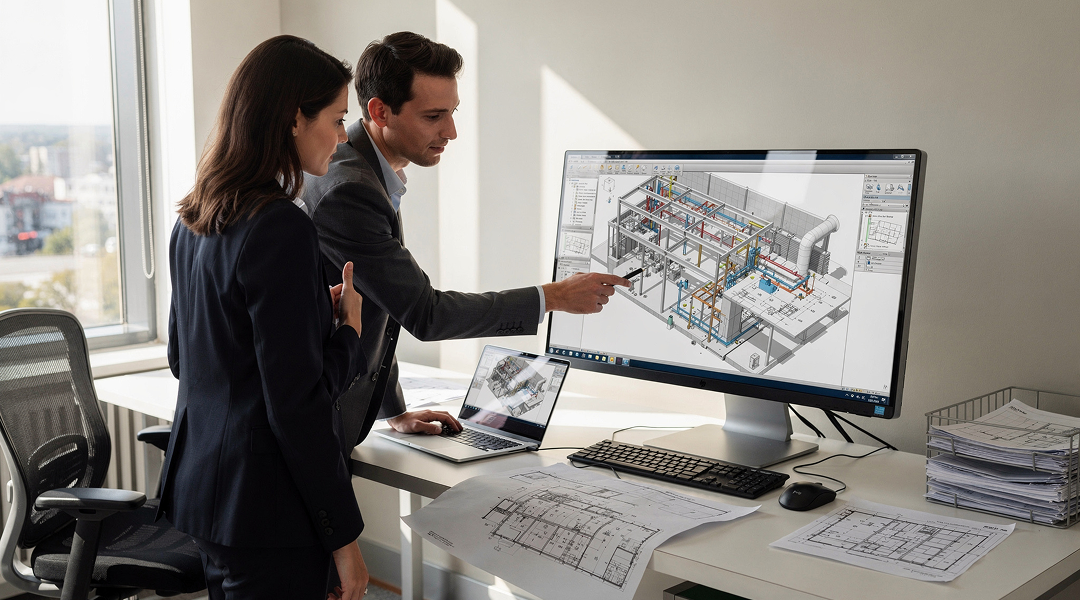
Clash detection can be defined as a process of detecting conflicts among different elements of a building model. It also involves structural plans, HVAC, plumbing, and electrical plans.
In the BIM processes, different models of the field are integrated into one digital environment. This helps the teams to discover the issues, including:
● Physical overlaps or hard clashes
● Clearance issues or soft clashes
● Workflow or sequencing conflicts mainly involve 4D clashes
It is vital to detect the problem in the early stage since unresolved clashes may result in:
● Budget overruns
● Causing delays in construction
● Post significant Safety risks
The availability of experienced BIM experts would improve coordination, as such issues would be spotted at the design phase and not the actual construction phase. This renders this process more structured and uninterrupted.
AI is enhancing the intelligence of clash detection and making it smarter, efficient, and proactive. This enables project teams to identify, analyze, and resolve conflicts more efficiently and with speed.
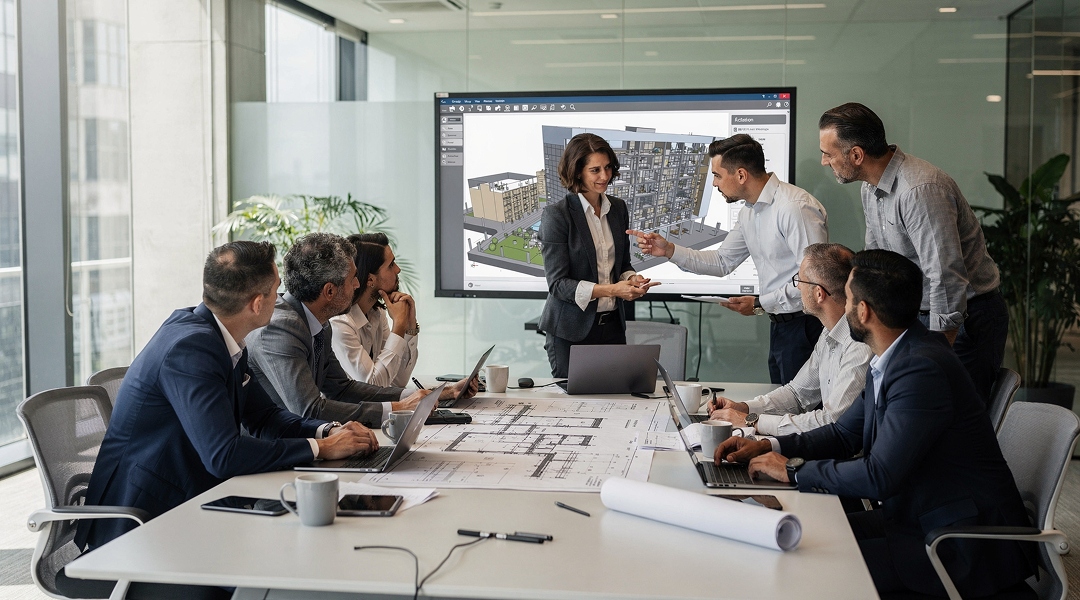
AI-driven systems scan through the intricate BIM models and detect clashes quickly and precisely. This is something that traditional models fail at. This enhances BIM Coordination, where complex, data-intensive models are automated to maintain consistency, precision, and smooth collaboration among team members involved with the project.
It is entirely different from the rule-based system. It can:
● Identifies minor geometric conflicts
● Detects lost or inconsistent data
● Consistently enhances using machine learning
This goes a long way in minimizing human labor and enhancing model reliability. This enables project teams to coordinate their efforts and concentrate more on addressing high-impact design issues.
As one of its major strengths, AI prioritizes the impact of clashes. This capability is crucial in challenging projects to enhance efficiency and to make sure that the key coordination problems are resolved promptly without misunderstandings.
AI can help teams with:
● Ranking clashes based on severity
● Highlights conflicts at higher risk
● Removing irrelevant or low-impact issues
This enables teams to concentrate on the things that really count. It enhances decision-making and efficiency, supporting overall BIM Coordination within multidisciplinary teams working on large-scale projects.
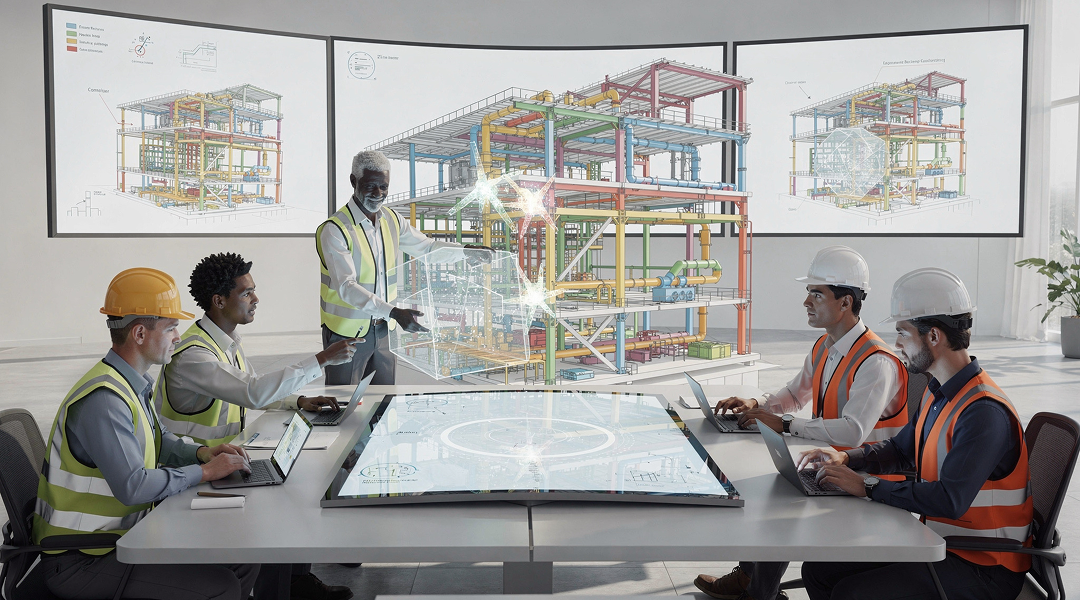
AI not only identifies any clashes, but it also anticipates them. This represents a major change in the workflow, helping teams shift away from reactive processes toward an active, strategic design coordination strategy.
Machine learning frameworks evaluate historical project data and can:
● Recognize patterns leading to conflicts
● Predict the design area at high risk
● Recommend predictive changes in the design model
This change in response to proactive clash management is a game-changer in BIM workflows. This necessitates a better understanding of the difference between Clash detection and BIM coordination in providing optimized project results.
Today, AI tools are not limited to detecting clashes but also offer better design recommendations. This is an added advantage to decision-making because it is not only capable of identifying problems but also directing teams to the most efficient and practical solutions.
AI uses historical data and design logic to:
● Recommend rerouting of ducts or pipes
● Suggest alternative layouts
● Optimizing spatial coordination
This highlights the importance of clash detection to prevent rework and speed up the design cycle. Therefore, processes under complex construction become highly reliable and value-driven.
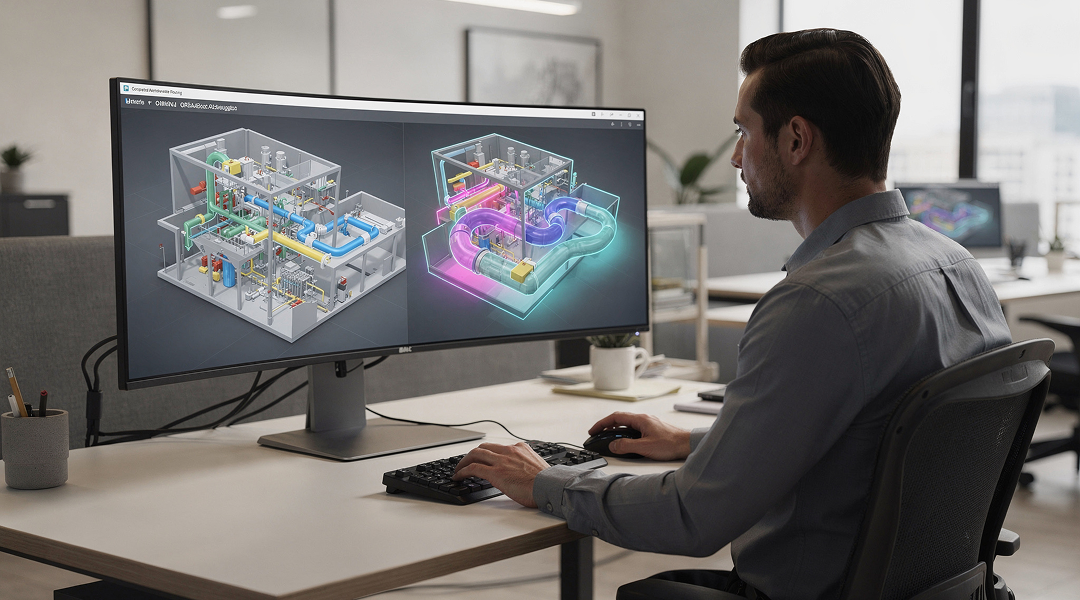
Larger projects have the probability of generating thousands or even millions of clash reports. It helps in managing them manually, which is extremely overwhelming, mainly with scenarios involving multiple disciplines and stakeholders.
AI offers clash triage systems that have the ability to:
● Group similar clashes
● Evaluate data across 3D (geometry), 4D (schedule), and 5D (cost)
● Provide decision-support insights
This turns clash detection into a strategic workflow activity, allowing teams to make quicker and data-driven decisions. Furthermore, it helps to enhance the efficiency of BIM Coordination as well as project delivery.
With the ongoing development of AI, its application in BIM processes will extend way beyond its incremental benefits. It creates a kind of future in which design coordination is not only efficient, but actually intelligent and predictive. The companies that are quick to adapt will be better equipped to manage the increase in project complexity, minimize risks, and ensure higher value output.
At Modelo Tech Studio, our professional BIM experts help in supporting a smooth coordination process and intelligent execution of projects. Contact us today to discover how our innovative solutions can transform your next project!

Curious to dive deeper into BIM practices? Check out our related blog posts for more insights and strategies to elevate your projects!


.png)
We appreciate your interest in our services. To provide you with an accurate and comprehensive quote, we will need some general information about your project. This will help us understand your specific needs and tailor our proposal to meet your requirements effectively.
.png)